ਇਹ ਪੰਨਾ ਅਜੇ ਪੰਜਾਬੀ ਵਿੱਚ ਮੌਜੂਦ ਨਹੀਂ ਹੈ।

ਤੁਸੀਂ ਇਸਨੂੰ ਅੰਗਰੇਜ਼ੀ ਵਿੱਚ ਪੜ੍ਹ ਰਹੇ ਹੋ। ਅਨੁਵਾਦ ਕੀਤੇ ਪੰਨੇ ਭਾਸ਼ਾ ਮੀਨੂ ਵਿੱਚ ਦਰਸਾਏ ਗਏ ਹਨ।

Planning and Support

Active Support

In the 1980s and 1990s, people with learning disabilities were beginning to move out of large institutions and into ordinary homes in the community.

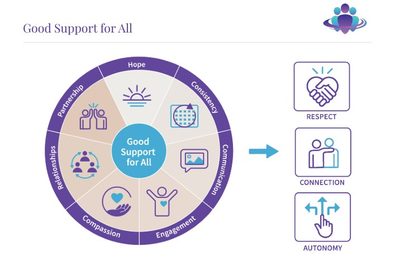
Supporters quickly learned that being in the community was not the same as being part of it. Many people still spent much of their time disengaged or dependent on others. Early examples of good support showed something different: staff who involved people in everyday activities — cooking, shopping, chatting, deciding — helped people build skills, confidence and connection. These practices became known as Active Support. CLS has embraced this form of support and have embedded it in our training and practices. We engaged with Julie Beadle Brown and her team at Beadle-Brown Consulting to train our employees on Active Support. This training is provided when they are first hired, and at regular intervals throughout their employment. Managers regularly meet with their team members to provide feedback and guidance on their support so employees are fully meeting the requirements for providing support that empowers the people they support to be actively engaged in their lives.

Julie Beadle Brown - Beadle Brown Consulting

Active Support Explained